
PCB Assembly Full Form Explained | Factory Guide
By:Admin
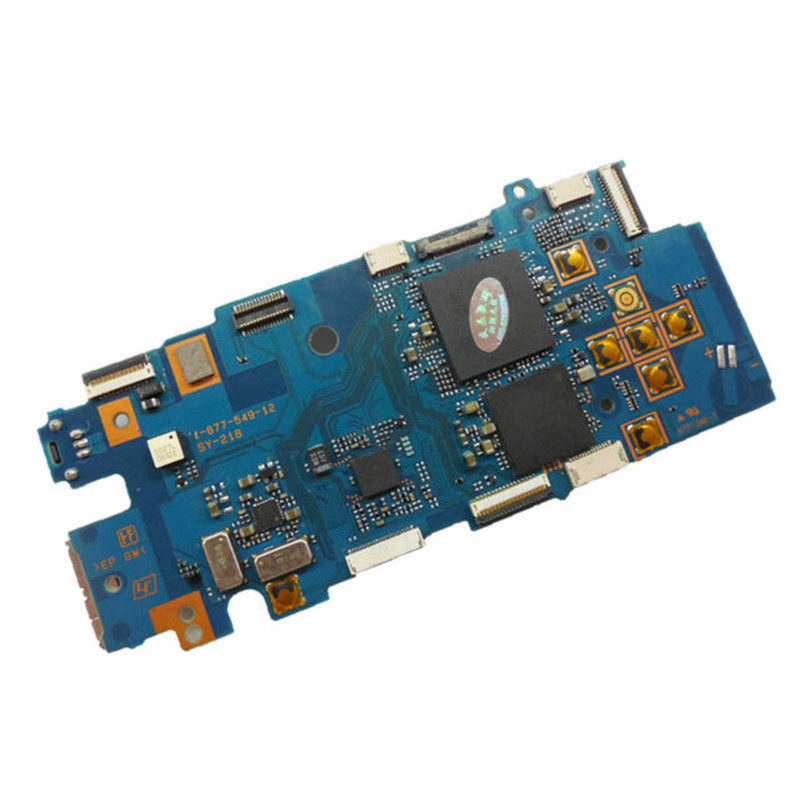
In today's fast-paced world of technology, printed circuit boards (PCBs) form the foundational backbone of virtually all electronic devices. From smartphones and laptops to automotive electronics and industrial machinery, the precision and reliability of PCB assembly have become critical to the functional success of modern electronics. As demand for higher quality and faster turnaround times increases, the role of professional PCB assembly factories has never been more pivotal.
**Understanding PCB Assembly**
PCB Assembly, commonly abbreviated as Printed Circuit Board Assembly (PCB Assembly), refers to the process of attaching electronic components onto a bare printed circuit board. The full assembly process encompasses several stages including solder paste application, component placement, soldering, inspection, and quality assurance. This meticulous process ensures that electronic devices perform as intended, providing stability, connectivity, and efficiency.
Given the complexity of modern PCBs which may contain thousands of components and multiple layers, the assembly process requires advanced technology and skilled expertise. Surface mount technology (SMT) and through-hole technology (THT) are the predominant methods used in assembly. SMT enables components to be mounted directly onto the surface of the PCB, allowing for more compact and sophisticated circuit designs. THT, in contrast, involves inserting component leads through holes and soldering on the opposite side, often utilized for components that demand stronger mechanical bonds.
**The Role of PCB Assembly Factories**
PCB assembly factories play a critical intermediary role, transforming a bare PCB and a bill of materials (BOM) into a fully functional electronic assembly ready for integration. Such factories combine automated machinery and human expertise to ensure precision and consistency. Key technologies employed include pick-and-place machines for rapid and accurate positioning of components, reflow ovens that melt solder paste to create strong joints, and automated optical inspection (AOI) systems to detect defects.
High-quality PCB assembly factories also adhere strictly to industry standards such as IPC-A-610, which governs the acceptability of electronic assemblies, ensuring end products meet rigorous performance and reliability criteria. Furthermore, certifications like ISO 9001 provide additional assurance of quality management systems in place.
**Industry Trends Driving PCB Assembly Innovation**
Several trends continue to influence the evolution of PCB assembly factories:
1. **Miniaturization and Complexity:** As electronic devices shrink, PCBs become more intricate. This drives demand for finer pitch components, multi-layer boards, and advanced inspection techniques.
2. **Electronics Diversification:** Expanding applications in automotive, medical, aerospace, and IoT sectors necessitate PCB assembly services tailored toward specific reliability standards and environmental considerations.
3. **Automation and Industry 4.0:** Integration of robotics, AI, and real-time data analytics optimize assembly processes, reducing errors and enabling faster production cycles.
4. **Sustainability:** Growing environmental awareness encourages factories to adopt lead-free solder, minimize waste, and implement energy-efficient operations.
**Company Introduction: Pioneering Excellence in PCB Assembly**
At the forefront of this dynamic landscape is a company committed to delivering superior PCB assembly services to a global clientele. With state-of-the-art manufacturing facilities equipped with the latest SMT and THT technologies, the company offers comprehensive turnkey solutions—from prototype runs to high-volume production.
Key features of the company's service include:
- **Dedicated engineering support:** From design for manufacturability (DFM) reviews to assembly process consultation, ensuring customers achieve optimized production.
- **Robust quality assurance:** Multiple inspection checkpoints, including X-ray scanning for hidden solder joints and functional testing, guarantee the integrity of every assembly.
- **Flexible production capacity:** The capability to handle diverse order sizes with quick turnaround times, making the company suitable for startups and established firms alike.
- **Commitment to compliance:** Full adherence to international quality and environmental standards reflecting a responsible approach to manufacturing.
**Impact on the Electronics Supply Chain**
PCB assembly factories constitute an indispensable node in the electronics supply chain. By outsourcing to specialized factories, original equipment manufacturers (OEMs) benefit from cost efficiencies, access to cutting-edge technology, and reduced time-to-market. Moreover, the ability to scale production flexibly mitigates inventory risks and adapts to market fluctuations.
As global markets become increasingly competitive and technology cycles shorten, the agility and reliability of PCB assembly partners directly influence product success. Trusted factories that blend technical prowess with robust operational management become strategic assets for companies aiming to thrive.
**Conclusion**
Printed circuit board assembly remains a cornerstone of the electronics industry, underpinning innovations that shape modern life. PCB assembly factories embody a blend of advanced machinery, skilled craftsmanship, and systematic quality control—elements essential to producing flawless electronic assemblies. Companies investing in comprehensive PCB assembly solutions solidify their position in a technologically driven marketplace.
With continuous advancements in electronics design and manufacturing methodologies, the role of dedicated PCB assembly providers will only grow in significance. Their commitment to precision, quality, and efficiency propels innovations across diverse sectors and helps realize the next generation of intelligent devices.